As much as the Indian Premier League (IPL) continues to expand into the most fertile parts of the game, chopping down trees to make way for its growing fields of hay in bountiful sunshine, there are increasing signs of life where doom-mongers predicted only parched soil and dead coral.
Always slowly and with reverential caution where appropriate, cricket players and administrators about the world are learning that there is a life to be lived outside the IPL “window”, even if it has never, and will never, be open to them.
The World Cup prequalifying qualifier finished in Windhoek last week with the United Arab Emirates and, surprisingly, the US finishing top of the pile ahead of more fancied teams such as hosts Namibia. It was full of spicy contests in which barely paid amateurs displayed a passion for representing their countries not always visible among the big nations. They will now take their place with the West Indies, Sri Lanka and hosts Zimbabwe in the final qualifier in Harare in June.
Sri Lanka cautiously dipped their toes into the Test market during the IPL safe window in the knowledge that TV rankings for two Tests against Ireland next week are not going to cause much of a dip in the IPL’s share of television eyes.
And in England the county championship got under way with its first round of matches concluded on Sunday. A decade ago the England & Wales Cricket Board (ECB) fought tooth and nail to prevent the country’s best players from playing in the IPL, fearing that the world’s premier first-class tournament would be decimated by what they, and everyone else, knew would become the world’s premier T20 tournament.
Now England captain Ben Stokes is in India with a dozen of his countrymen including four others expected to play a crucial role in their bid to regain the Ashes in two months’ time, just days after the IPL concludes. Joe Root, Harry Brook, Jofra Archer and Mark Wood are all signed to play T20 cricket as their preparation for England’s biennial Holy Grail.
In their places come younger, fresher players keen to make a mark. At Yorkshire Finlay Bean took his chance in the absence of Root and Brook to become the first player to score a century this season. Instead of being intimidated by the influence of the IPL, the ECB is beginning to see that it could open pathways for new talent at home. The same could apply to SA.
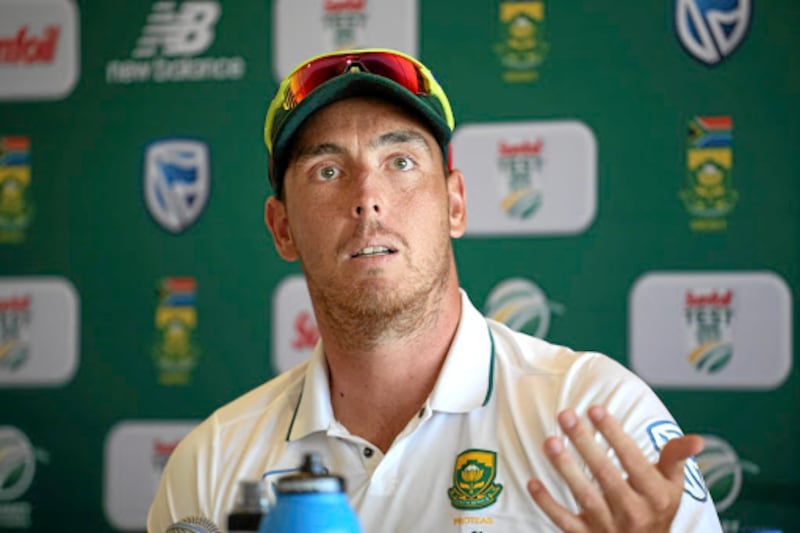
It’s not just about new players, however. Older, more experienced players — those unrequited by or uninterested in the IPL, can continue to prosper. Like Kyle Abbott. The SA seamer is beginning his seventh season with Hampshire at the age of 35 and was never likely to be part of the “return” of Kolpak players to SA cricket. He committed himself to county cricket at the age of 29 and has remained so.
“I heard the guys talking about who our overseas signings would be this season and I had to remind them that I’m one,” Abbott said a week ago. “It’s nice to know they say of me as one of them now.” Abbott posted 4/39 in Hampshire’s eight-wicket victory against Nottinghamshire and has been among the top-10 bowlers in every year of his county career. But he still cares about SA cricket, remaining cautiously optimistic about its recent upturn.
“The way the SA20 went was pretty remarkable, to be honest. Apart from one domestic final at Newlands in 2011 I’ve never experienced crowds like that,” Abbott said after being part of the Durban Super Giants squad. “Huge credit to Graeme Smith and his team but, from what I’ve heard, Cricket SA didn’t have a great deal to do with that.
“It was Smith and the Indian IPL owners that made it happen. The state of SA cricket is probably in the balance, they most definitely don’t play enough cricket at first-class level, just seven matches in a season with a few 50-over matches thrown in.
“They need to get more four-day cricket played in the country, it’s a tough job for any coach and SA has its own, unique challenges. But they’ve got two guys in Shukri Conrad and Rob Walter who know the system and understand how everything works there, so if cricket was to be in good hands, it’s theirs,” Abbott said.
Like everyone else, he is concerned about the lack of Test cricket: “Dean Elgar and the rest of the Test players won’t play again until the end of the year, that’s pretty poor. I’m not sure if the scheduling comes from Cricket SA or the ICC, but even the two Tests against the West Indies started in the middle of the week when everyone was at work.
“Even if they had started on Saturday and you had good crowds for two days that would have been better than not having crowds for three or four days. There is a shared responsibility to maintain the health of Test and four-day cricket,” Abbott said. Like most South Africans who leave, he cares, and always will.





Would you like to comment on this article?
Sign up (it's quick and free) or sign in now.
Please read our Comment Policy before commenting.