

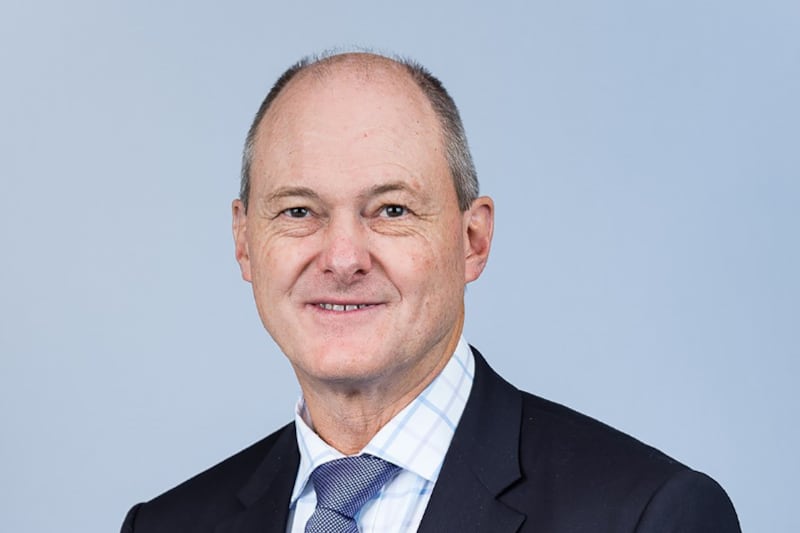
Paul Hanratty, CEO of Africa’s largest insurance group, Sanlam, has warned of the devastating consequences for consumers and businesses if the Middle East conflict is prolonged, saying this will hurt financial markets and constrain growth.
“If this conflict is prolonged, it will have a fundamental impact on financial markets because of the surge in oil prices. We will see inflation taking hold everywhere, leading to high interest rates. The world will reverse the trend it has been on to reduce interest rates and go back in the other direction,” Hanratty told Business Day on Thursday.
“This will lead to more pressure on consumers and higher bond yields. As management, we will be affected because we will have a lower value of assets to manage, which means lower fees and profit.
Before the recent attacks on Iran by the US and Israel, oil was cheap by historical standards at the mid-$60s per barrel. This had since climbed above the $100 a barrel mark by Thursday.
South Africans are staring at hefty rises in fuel prices, which might see the taxi industry respond with increased fares, hurting the more than 10-million people who daily rely on the system to get to and from work and school.
“Physical disruption is also likely. If you consider where some of our businesses are located, we are likely to feel the effect. Egypt, for example, is awfully close to the conflict zone and might encounter a direct physical impact.
“We regard the Middle East situation as extremely worrying and as having created a lot of risk for businesses, insurers and financial services in general. We should not underestimate the impact.”
Aviation fuel costs have already surged 70% in the past week, forcing South Africa’s largest airline, FlySafair, to implement a temporary fuel surcharge to ensure the “long-term sustainability” of the airline, estimating an additional cost of about R35,000 for each Boeing 737-800 flight.
International airlines like Qantas, Air India, Japan Airlines, Air New Zealand and Air Asia have also hiked prices in response to the fuel-price surge.
Iran, which produces 3.4-million barrels of oil per day and exports 1.7-million of these, could see a disruption in this supply.
Hanratty’s concerns mirror those of minister of international relations & co-operation Ronald Lamola, who earlier in the day warned the conflict would spark food inflation and weaker investment flows across Southern Africa
Lamola was addressing his counterparts at the Sadc Council of Ministers meeting, where he said the conflict, which began on February 28, was already reverberating through global markets and threatening supply chains.
“The geopolitical climate, including the US and Iran’s war and Iran’s retaliation within the Gulf Co-operation Council countries, is already sending shockwaves through our societies, threatening supply chains and energy shocks,” he said.
We will not emerge unscathed from this. Our public finances are likely to come under even greater strain, and it’s our people who will bear the cost.
— Ronald Lamola, minister of international relations & co-operation
The remarks reflect growing concern among African governments that the widening Middle East conflict could amplify economic pressures in import-dependent economies.
Lamola warned rising crude prices could quickly spill over into food markets and put a strain on public finances in the region.
“Beyond the immediate effect of rising global oil prices, a spike in fertiliser costs is set to drive food prices up and further compromise food security across many of our countries,” he said.
“We will not emerge unscathed from this. Our public finances are likely to come under even greater strain, and it’s our people who will bear the cost.”
Schroders South Africa head of client group Philip Robotham said the rapidly evolving situation is likely to sustain upward pressure on oil prices, keep geopolitical risk premia elevated and potentially weigh on global risk appetite.
“We anticipate the shifts in oil production may benefit some emerging markets — for example, the big producers, such as Brazil, Angola and Nigeria. Importers such as South Africa may find this more challenging,” he said.
Parliament will debate the escalating conflict in the Middle East next Thursday following a request by Build One South Africa (Bosa) leader Mmusi Maimane. The speaker agreed to the request following Bosa’s call for parliament to examine the implications for South Africa and the region of the US attack on Iran.
The debate is expected to focus on the potential effects on South Africa’s foreign policy position, the safety of South African citizens in the region, and the economic consequences linked to disruptions in global oil markets.
President Cyril Ramaphosa did not address the Middle East conflict during Thursday’s oral question session in the National Assembly.



Would you like to comment on this article?
Sign up (it's quick and free) or sign in now.
Please read our Comment Policy before commenting.