
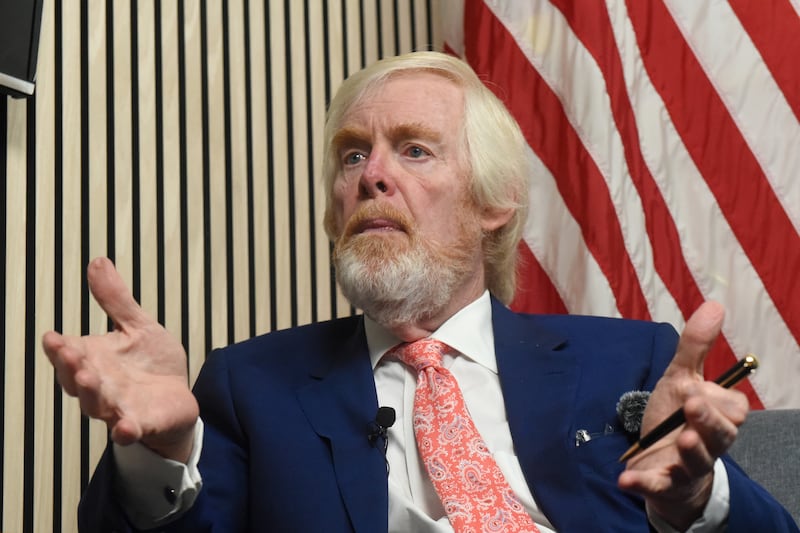
The announcement of new US measures against South Africans deemed to be architects of “race-based” policies is disappointing.
US secretary of state Marco Rubio announced the visa restrictions against South Africans last Wednesday. The administration has yet to list the names of those targeted by the new protocol. While it is dangerous to speculate before this list is published, many observers have argued aloud that government officials will be targeted; so too key players in the ANC, the leading party in the government of national unity.
The US would argue that it is perfectly within its right to express its displeasure in ways it deems fit. But it would not benefit from a hostile relationship with South Africa.
It’s encouraging that though government-to-government relations remain uneasy, people-to-people relations haven’t been paused. Americans still visit this country despite its many problems, and the 600-odd companies haven’t disinvested as they did in the 1980s at the height of apartheid.
Read: Mbeki best person to break US-SA diplomatic impasse, says Bozell
Some South Africans have also made the US their home.
It would also be disingenuous to say nothing has been achieved in the past year. Progress has been made. Notably, Roelf Meyer has been received as South Africa’s ambassador and is working in Washington. So is Alistair Ruiters, the South African presidential envoy.
Ambassador Leo Bozell has settled into Pretoria ― his headline-grabbing remarks notwithstanding.
Still, challenges remain.
Barring South Africa from the G20 meetings is a significant setback to the repair work. For a start, it denies an extra, albeit informal, platform to build chemistry among leaders. Also regrettable is the fact that President Cyril Ramaphosa might skip the UN General Assembly meetings, which would have afforded him an opportunity for a bilateral with US President Donald Trump.
That both countries are facing crucial elections complicates matters. The US has midterms in November ― the same month South Africans vote in new local government elections.
Understandably, each party feels it has to appear stronger than the other one.
The sticking points don’t seem unsurmountable.
Many Americans, who have made South Africa their home, can testify that Afrikaners aren’t being dispossessed of their private property. In terms of the current regime, only the government can expropriate land, in clearly specified circumstances, with nil compensation. There is no wholesale confiscation.
Discerning Americans also know that Afrikaners aren’t singled out for state-sponsored violence against them. The 10 women found dead in Ekurhuleni in the past week are a grisly reminder of how abhorrent the South African crime problem is.
South Africans must primarily be the ones who solve it. It’s good that the private sector has joined this fight. And surely most in the country would welcome any international friends that volunteered to assist in good faith.
Shutting down all diplomatic channels would benefit no-one. As just one example, Parks Tau, the trade, industry & competition minister, is a key interlocutor with the US government on trade. It would be counterproductive to restrict his travels to the US.
That is to say nothing of how unhelpful it would be to bar Ramaphosa from travelling to the US.
Only rigorous engagement can resolve whatever differences remain. Rooftop diplomacy and sanctions will not.
Business Day









Would you like to comment on this article?
Sign up (it's quick and free) or sign in now.
Please read our Comment Policy before commenting.